
Plastiline is currently used in the construction sector (automotive, aeronautics and marine, wind tunnel testing) and in the field of chemistry. Plastiline is particularly intended for industry for the production of prototypes, moulding, area delimitation and taking impressions. It also makes it possible to study casting areas and, more generally, to measure the depth of a scratch.
Plastiline is a ready-to-use, high-precision, non-toxic modelling clay. It is sulphur-free. Its reproduction accuracy is to within 1/10 of a millimetre. It has excellent stability and retains its volume; in fact, there is no risk of the mass deforming when producing models. It also has the particular feature of never drying in air, which means it can be used as many times as necessary.
Plastiline can be worked in three different states: solid, softened or liquid, thanks to its multiple hardness levels and its chemical composition. It liquefies in a bain-marie. At this stage, it can be used to coat an object, create seals of the desired thickness, or take impressions.
Moulding operations use Plastiline, which prevents inhibition and contamination phenomena in elastomers that are sensitive to metals and certain plastics.
Plastiline serves as a mould for the following casting materials: plaster, cement, silicones, low-melting-point alloys and polyurethanes, …
Packaging:
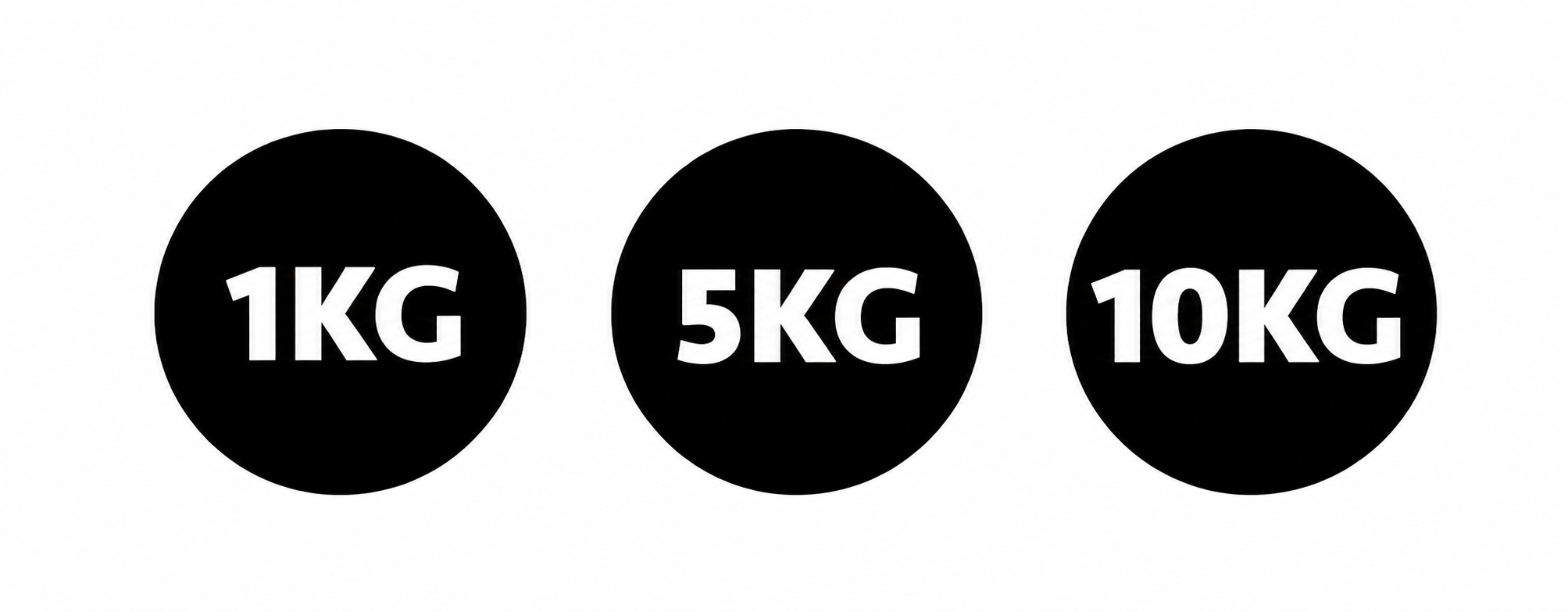
Cardboard tubes with an interior lined with greaseproof paper and two polypropylene end caps.
Plastiline is available in several hardness levels; it is strongly recommended to increase the hardness depending on the size of the object, its complexity and the fineness of the details.
As Plastiline is miscible, it is possible to use several hardness levels and colours on the same model.
Preferably use light-coloured Plastiline (ivory, Naples pink) for contact with resins and elastomers.

