
Researching designs, creating models, taking precision impressions, and producing casts are all possible thanks to Plastiline. During the creation process, you can modify details at any time, adding or removing Plastiline; no joint is permanent. From the Plastiline model, you can create a final work in resin.
Plastiline is a ready-to-use, high-precision, and non-toxic modelling clay. It is sulphur-free. Its reproduction precision is within 1/10th of a millimetre. It has excellent stability and maintains its volume. Furthermore, it has the unique characteristic of never air-drying, allowing it to be used repeatedly.
Plastiline can be worked in three different states—solid, softened, or liquid—thanks to its multiple hardness levels and chemical composition. It liquefies in a bain-marie. At this stage, it can be used to wrap an object, create joints of the desired thickness, or take impressions.
Moulding operations utilize Plastiline to avoid inhibition and pollution phenomena in elastomers sensitive to metals and certain plastics.
Plastiline serves as a mould for the following casting materials: plaster, cement, silicones, low-melting-point alloys, polyurethanes, and more.
Packaging:
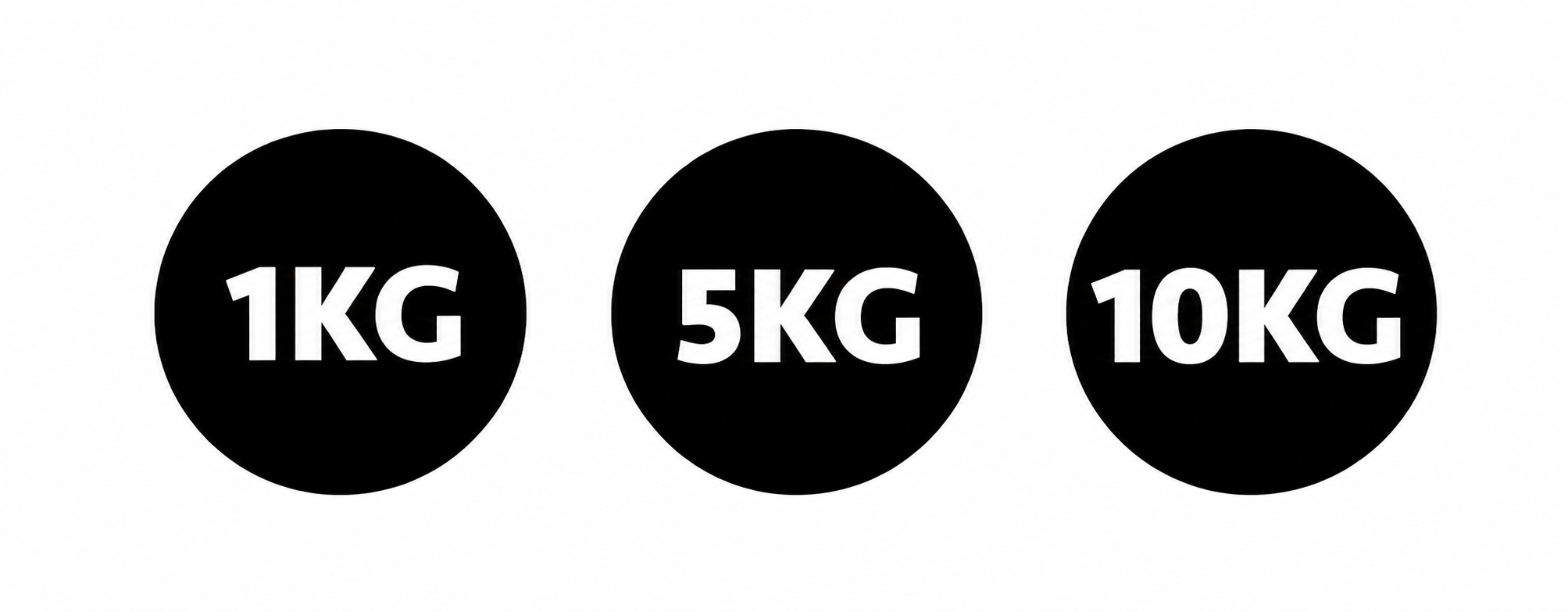
Cardboard tubes with parchment paper-lined interiors and two polypropylene end caps.
Plastiline is available in several hardness levels; it is highly recommended to increase the hardness based on the size of the object, its complexity, and the fineness of the details.
As Plastiline is miscible, it is possible to use multiple hardnesses and colours on the same model.
Preferably use light-coloured Plastiline (ivory or Flesh tone) for contact with resins and elastomers.

